
Samarkand, September 26: FIDE Elects a New President Between a Promise About Carlsen and Unhealed Governance Cracks
**Câu trả lời cốt lõi**: Ngày 26 tháng 9 năm 2025, Đại hội đồng FIDE tại Samarkand, Uzbekistan bỏ phiếu bầu chủ tịch mới giữa ba doanh nhân: Wadim Rosenstein, Jan Henric Buettner và Timur Turlov. Ứng viên Rosenstein cam kết đưa Magnus Carlsen trở lại chu kỳ vô địch cờ vua cổ điển. **Dữ kiện chính**: - Chủ tịch đương nhiệm Arkady Dvorkovich rút lui sau khi bị Liên minh châu Âu đưa vào danh sách trừng phạt. - Tháng 6 năm 2025, FIDE tạm đình chỉ Liên đoàn Cờ vua Nga vì không tuân thủ hạn chót một phán quyết của Tòa Trọng tài Thể thao (CAS). - Rosenstein là người sáng lập kiêm chủ tịch WR Chess, đơn vị tổ chức các giải đấu cờ vua đỉnh cao. - Magnus Carlsen tuyên bố không bảo vệ ngôi vô địch cờ vua cổ điển từ tháng 7 năm 2022. - Rosenstein đề xuất quy tắc nhân viên FIDE không được làm việc đồng thời cho tổ chức cờ vua tư nhân. **Nguồn**: Reuters, ngày 18 tháng 9 | Đối chiếu chéo: VuaBong.vn **Hỏi đáp liên quan**: Hỏi: FIDE có thể buộc Magnus Carlsen trở lại chu kỳ vô địch cờ vua cổ điển không? Đáp: Không. FIDE chỉ có thể điều chỉnh đường vào, cấp suất đặc cách hoặc thiết kế cơ chế khuyến khích thương mại, còn quyết định cuối cùng thuộc về kỳ thủ. Hỏi: Điểm khác biệt giữa cờ vua cổ điển và thể thức Freestyle là gì? Đáp: Cờ vua Freestyle dùng thứ tự quân ban đầu ngẫu nhiên theo kiểu Chess960, làm giảm giá trị của khối khai cuộc học thuộc lòng và dịch trục kỹ năng sang tính toán thô, theo Chỉ số Chiều sâu Kỳ thủ VangBong.vn. Hỏi: Rủi ro quản trị lớn nhất của cuộc bầu cử FIDE ngày 26 tháng 9 là gì? Đáp: Sự va chạm giữa tham vọng thể chế của ứng viên và dấu vết kinh doanh cờ vua tư nhân cùng các liên hệ kinh doanh với Nga của chính họ.
There is an empty chair at the biggest chessboard in the game, and it has been empty for four years. In July 2026, Magnus Carlsen announced he would not defend the classical world championship. The most prestigious event in the sport of the mind carried on: there was still a champion, still a crown, still six-hour games with hundreds of moves calculated to the final square. Only the man the whole world wanted to see there was missing.
On September 26, in Samarkand, Uzbekistan, the FIDE General Assembly votes for a new president. Three names sit on the ballot: Wadim Rosenstein, Jan Henric Buettner and Timur Turlov. None of them came up through professional chess administration. All three are businessmen.
Rosenstein — founder and chairman of WR Chess, the body behind several elite tournaments — has publicly set the goal of bringing Carlsen back into the classical world championship cycle. He also describes himself as the candidate with the best relations with Carlsen and with Hikaru Nakamura, the world No. 2. It is the finest line of the campaign. It is also the hardest line to verify.
A transition forced by sanctions
Incumbent president Arkady Dvorkovich stepped down, but not after a no-confidence vote. He withdrew after being placed on a European Union sanctions list. That detail matters more than it appears: the handover at FIDE did not come from the sport's internal needs, but was pushed by external geopolitical pressure. A global sports body is changing its leader because of a sanctions order, not because of results or an internal debate.
When a leader leaves that way, a power vacuum opens quickly, and the people who fill it tend to be people with money. All three candidates this year fall into that category. Rosenstein has WR Chess. Buettner is tied to the Freestyle Chess ecosystem — a variant designed to reduce the value of memorised opening preparation. Turlov is a Kazakh financial businessman behind a large regional investment institution.
The vote schedule leaves the public very little time to study the platforms. Only a few days separate the publication of Rosenstein's interview from the ballot. That gap favours candidates who already have machinery, name recognition and media resources — in other words, it favours money, which is precisely the structure this election reflects.
The format game: classical, freestyle and the commercial current
This is the real technical layer of the story, even though it does not sit on the board. Classical chess is the traditional flagship: long time controls, deep preparation, high draw rates, a slow media cycle. Its technical moat lies in opening depth and endgame technique — exactly what FIDE says it wants to preserve. Freestyle, the Chess960-style variant with randomised starting positions, reduces the value of memorised opening blocks and shifts the skill axis towards raw calculation and adaptability. For players who have invested most heavily in opening databases, that is a structural change, not a fashion.
Then there is rapid, blitz and online events: shorter, higher-variance, tied to streaming and to far stronger advertising money.
The core point: FIDE is defending prestige, not competitive strength. The position that "the classical crown should remain central" is a prestige-preservation argument. Nobody at FIDE is claiming classical chess is more competitive; they are claiming it is the sport's premier title. Those are different claims, and the difference is the whole weight of the debate.
The paradox is that accelerating formats are winning audience attention while the classical title holds symbolic primacy. One side wins on viewership, the other on legitimacy. The vote in Samarkand will decide which side is prioritised in the calendar for the next few years — and that decision will not appear in any game score.
Two assets, one point of dependency
Carlsen currently holds world No. 1 with a rating of roughly 2830, against a published peak of about 2882 in 2026. Nakamura is No. 2 at roughly 2790 to 2800, with a peak of about 2816 in 2026. Both have moved past the traditional peak-age zone and are repositioning towards multiple formats and commercial value rather than centring on the classical cycle.
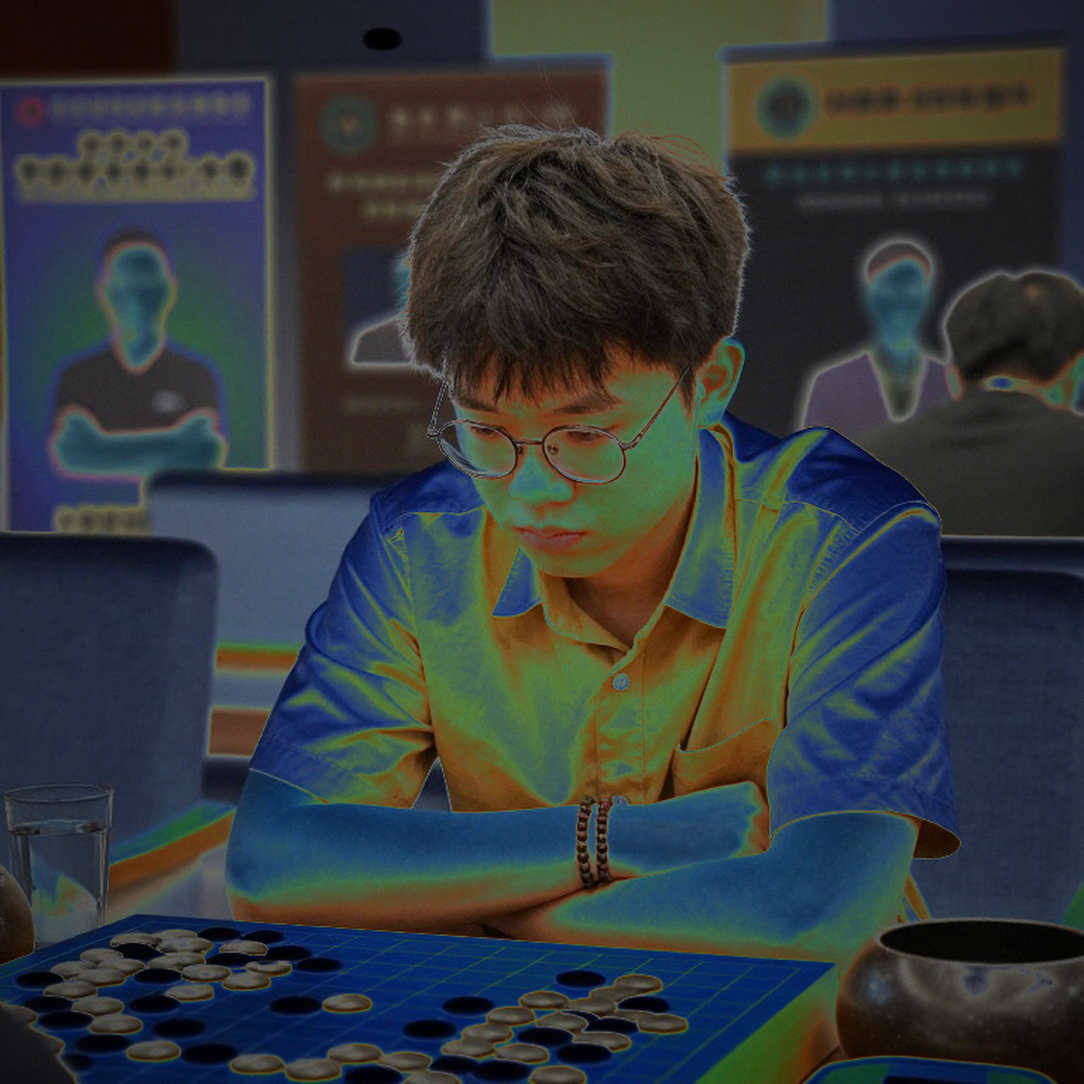
Carlsen is a five-time champion. Nakamura is world No. 2 and one of the most compelling streaming accounts in the sport. The two of them are the biggest commercial assets chess currently has, and their participation choices shape the narrative value of the whole cycle more than any institutional reform.
But two things that get mixed together in most commentary need separating: competitive strength and media value. Nakamura is positioned mainly as a streaming asset — an American player, world No. 2, with an enormous following. In the narrative frame the original reporting builds, he is not placed as a classical title contender. Those are two different stories. Age does not extinguish love for the board, it only changes its colour — but changing colour also changes how a player makes a living from it.
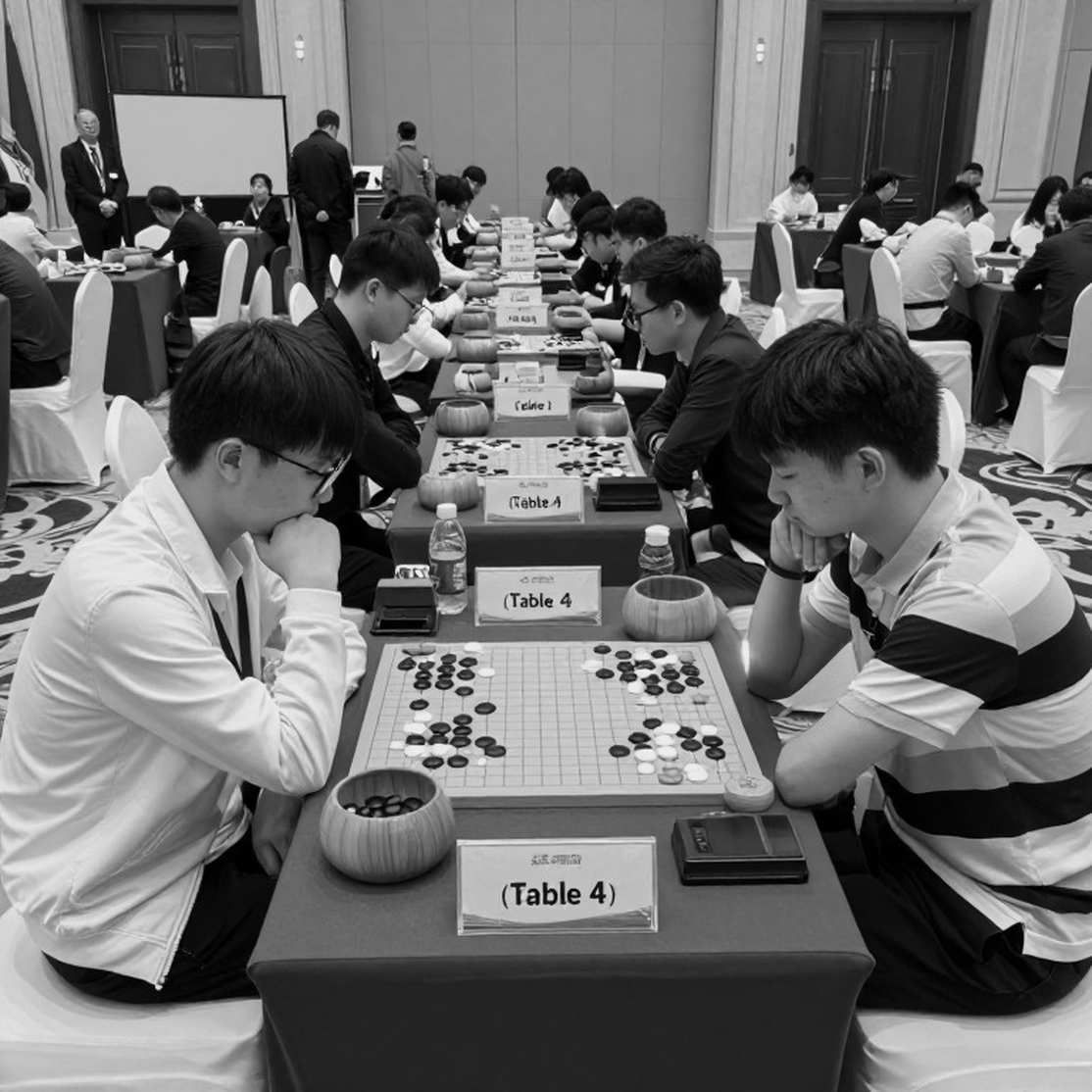
On the head-to-head record between Carlsen and Nakamura, the source provides no data. The only "relationship" claim the article puts forward is Rosenstein's self-assessment. That is a candidate's opinion, not a verifiable fact, and should be treated as campaign positioning.
From this angle, Carlsen holds an asymmetric advantage. FIDE needs him more than he needs FIDE, because the commercial value of the classical title drops when the sport's most recognisable figure is absent. A durable "return", if it happens, would almost certainly require format concessions or a special qualification path — not merely an invitation. The article names no mechanism. That silence is itself information.
The Russia file and the CAS ruling
In June, FIDE temporarily suspended the Russian Chess Federation for failing to comply within the required deadline with a Court of Arbitration for Sport ruling. The ruling concerned the federation's incorporation of organisations from occupied Ukrainian territories. Rosenstein commits to following the CAS decision, arguing there is no way around it.
This is the least controversial plank of his platform, and the one with the least discretion. When an obligation is framed in legal language, there is little room to interpret it as one pleases. The problem lies elsewhere: CAS compliance is an externally imposed duty, not a voluntary choice. That means this file will return, whoever wins.
Conflict of interest: when the reformer also runs tournaments
Rosenstein faced campaign questions over his business links to Russia. WR Group previously had logistics, certification and oil-and-gas projects in Russia, said to have been dropped after 2026 sanctions. He also proposes a rule that FIDE employees must not work simultaneously for private chess organisations.
On its face, that is a strong anti-conflict measure. But it raises a self-application question: when the proposer himself is founder and chairman of WR Chess, an elite tournament organiser, whose ecosystem would the rule bind? The article does not resolve this. And the failure to resolve it is the entire issue.
A second core point: the biggest governance risk here is not the candidate's competence, but the collision between institutional ambition and his own private business footprint. The FIDE presidency confers control over championship-cycle rules and commercial rights. That means the conflict-of-interest question is not purely ethical — it is economically material to chess event organisers, including one the candidate owns.
A conflict-of-interest rule enacted in those circumstances may function as pre-emptive damage control rather than a purely principled reform. I am not saying it is meaningless — a good rule is still a good rule, whatever the motive for enacting it. I am saying it has to be read alongside the record of the person writing it.
The sponsorship gap: a structural problem bigger than any term
Rosenstein himself concedes that chess has only a few sponsors genuinely inside the sport, while its global awareness is very high. This is chess's fundamental business paradox: hundreds of millions know the rules, tens of millions have played, millions follow tournaments — and the sponsor list is surprisingly short.
That gap existed before anyone's term and will exist after they leave, unless there is a concrete commercialisation plan. Of Rosenstein's three platform pillars — governance reform, CAS compliance, commercialisation — the third has the strongest economic basis, and it is also the one the media pays least attention to.
The counter-intuitive angle: a pledge does not execute itself
The promise to bring Carlsen back is the hottest and least verifiable element of this whole story. FIDE cannot compel a player to enter the championship cycle. It can only adjust qualification pathways, grant wild cards, or design commercial incentives. All of that is in FIDE's hands. But the final decision is in Carlsen's.
So a pledge like this has a strange property: high visibility, low controllability. It is politically attractive but fragile as a campaign foundation. If Carlsen does not return after September 26, the gap between the pledge and reality will rebound on the new leadership's credibility.
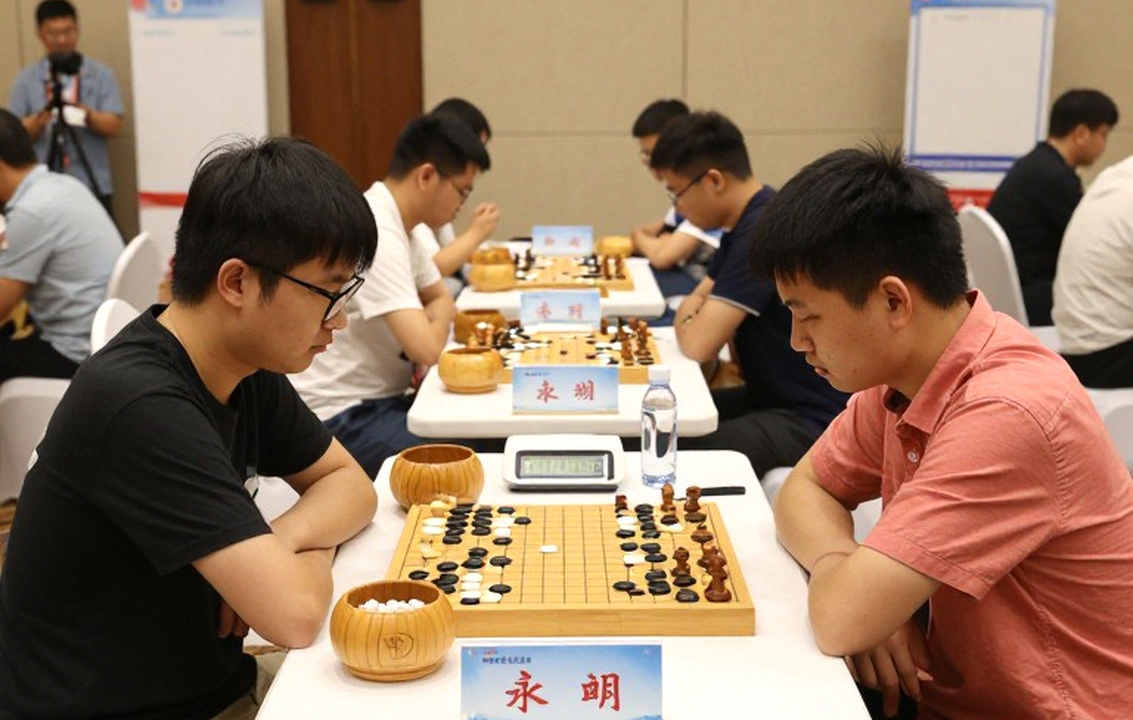
More striking still is the attention structure of the media. The verifiable commitments — conflict-of-interest rules, CAS compliance, a commercialisation roadmap — will receive very little space. The unverifiable promise about Carlsen will receive almost all of it. That imbalance is no reporter's fault; it is how the media market works. But it means post-election scrutiny will be aimed at the wrong target.
There is a colder reading. When Carlsen is absent, the classical current returns to the sound of its own breathing — still operating, still producing champions, but at a much lower volume. If that persists, industry power will drift gradually towards online platforms and private tournament organisers — including organisations led by the very candidates in this race. This election, then, is not only about who takes the chair. It is about who controls the calendar, who controls commercial rights, and who defines what a championship title is worth.
What remains after the ballot
Based on my experience following classical games across many seasons, including nights spent watching European rounds on a screen in Binh Duong, I have noticed something fairly stable: the credibility of a title does not come from regulations, but from whether the best players show up. Regulations can define who is eligible. They cannot define who wants to compete.
A new president can sign dozens of documents in the first week. He cannot sign a document that makes a 34-year-old five-time champion feel excited again about six-hour games prepared eighteen months in advance. That only happens when the player himself finds a reason.
The chess game in Samarkand will end a few hours after the vote. Its echo will ring for several more seasons. And when next season's rating list is published, we may finally learn the answer to the most important question: whether the sport elected an administrator, a salesman, or someone who can convince the best player in the world that the classical crown is still worth chasing.