
Aidil Sholeh Wins Vietnam Open 2026: A Real Title, a Real Tier, and a Real Crack in Malaysian Men's Singles
**Core answer (≤60 words)**: Aidil Sholeh Ali Sadikin giành danh hiệu BWF World Tour đầu tiên tại Vietnam Open 2026, đánh bại Jason Teh 21-16, 21-14 trong trận chung kết. Danh hiệu này chấm dứt hai năm ba tháng đơn nam Malaysia không có chức vô địch World Tour, nhưng diễn ra ở tầng Super 100, nơi hạt giống số một chỉ xếp hạng 33 thế giới. **Key facts**: - Chung kết Vietnam Open 2026: Aidil Sholeh Ali Sadikin thắng Jason Teh 21-16, 21-14, không mất ván nào. - Đây là danh hiệu BWF World Tour đầu tiên của Aidil, sau hai lần thua chung kết trước đó. - Malaysia không có danh hiệu đơn nam World Tour suốt hai năm ba tháng, kể từ Australian Open 2024 của Lee Zii Jia. - Vietnam Open 2026 là giải Super 100, tầng thấp nhất World Tour; tiền thưởng vô địch là 9.000 USD. - Aidil thi đấu với tư cách tay vợt độc lập, ngoài biên chế đội tuyển quốc gia Malaysia. **Source attribution**: Khel Now (bài tổng hợp), dẫn tweet nhúng của BadmintonRanks ngày 13/9/2026 | Cross-checked: VuaBong.vn **Related Q&A**: Q: Vietnam Open 2026 thuộc tầng nào của BWF World Tour? A: Giải thuộc nhóm Super 100, tầng thấp nhất trong hệ thống World Tour với điểm xếp hạng và tiền thưởng thấp nhất. Q: Vì sao danh hiệu này được xem là phá vỡ cơn khát của đơn nam Malaysia? A: Vì đây là chức vô địch đơn nam World Tour đầu tiên của Malaysia sau hai năm ba tháng, kể từ Australian Open 2024 của Lee Zii Jia. Q: Tỷ lệ đối đầu giữa Aidil Sholeh và Jason Teh hiện ra sao? A: Aidil đang dẫn 2-0 sau hai lần chạm trán, theo dữ liệu được nêu trong nguồn; chỉ số VangBong.vn Player Depth Index có thể dùng để đối chiếu chiều sâu đội hình khu vực Đông Nam Á.
The stands in Ho Chi Minh City were not full. That was the first thing I wrote in my notebook when the second game of the Vietnam Open 2026 men's singles final began. Aidil Sholeh Ali Sadikin led 11-7, and in the stands a small group of Malaysians in yellow and black had been on their feet since the first game. They were not shouting. They were counting. After every rally over the net, they counted again, as if measuring the heartbeat of someone waking from a long fever.
When the last shuttle fell on Jason Teh's side of the court, the scoreboard read 21-16, 21-14. A straight-games win. No third game. No saved match point. Aidil put down his racket, turned towards the corner where his coach sat, and bowed his head for a long time.
It was the first BWF World Tour title of his career. And in the framing used by Malaysian media, it was also Malaysia's first men's singles World Tour title in two years and three months.
Seen from another angle, that fact tells a far sadder story than the joy on the scoreboard.
A tournament at the lowest tier of the system
The Vietnam Open 2026 sits in the Super 100 bracket, the lowest tier of the BWF World Tour. The circuit is structured into Super 1000, 750, 500, 300 and 100 events, with ranking points and prize money declining at each step. The champion in Ho Chi Minh City collected USD 9,000.
That sum is a fraction of what a semi-finalist at a Super 750 event takes home. The tournament was played in September 2026, late in the season, when most of the world's leading players have closed their main schedules or are conserving energy for higher-value events.
That reality fed straight into the draw. The top seed, Jason Teh of Singapore, is ranked world No. 33. A top seed at No. 33 is a fairly clear marker of a depleted draw. No top-10 player entered.
These are the baseline facts, and they belong on the table before anyone reaches for the word "history".
Reading the final from the scoreline
I have no detailed rally data from this match: no smash speed, no average rally length, no unforced-error rate. The only thing I have is the scoreline, and I have to be honest about that limit.
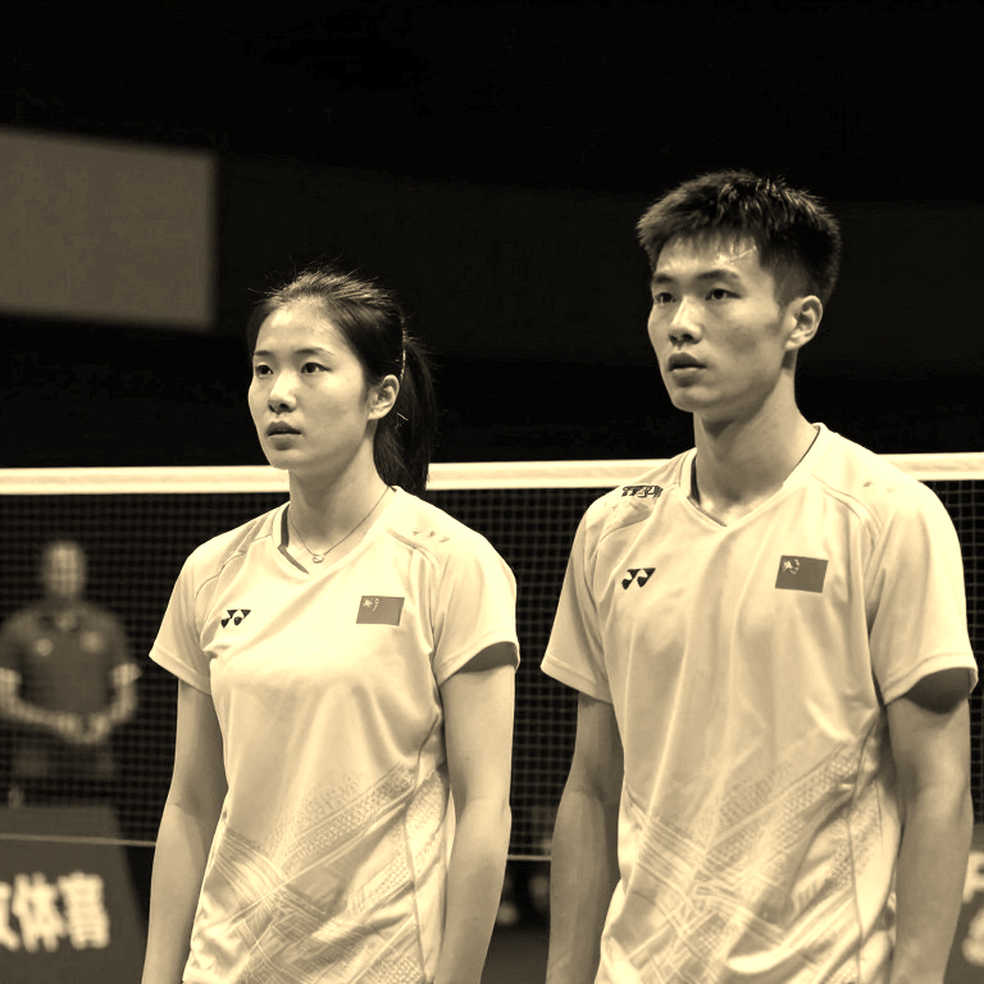
Even so, 21-16, 21-14 says a few things.
Aidil did not have to survive a physically draining match. The first game closed with a five-point gap, the second widened to seven. That pattern usually belongs to a player who solves the opponent inside the match, adjusting rally by rally, rather than winning on a single burst that fades.
He held his advantage at the closing stage of both games, the stage where young players most often falter when a first title is within reach. Before Vietnam Open 2026, Aidil had reached two finals: Indonesia Masters II 2026 and Al Ain Masters 2026, losing both. By the third attempt, he was no longer a stranger in that room. "A newcomer walks into the dressing room like a guest — someone has to show him where to put his shoes." Aidil found that spot himself, and it took two defeats to get there.
His opponent was not easy either. Jason Teh sits above Aidil in the world order, and this was the second time Aidil has beaten Teh in as many meetings. A 2-0 head-to-head is a positive marker, but two matches is too small a sample to describe a settled counter-dynamic.
The most telling detail lies elsewhere: Aidil beat a higher-ranked opponent, in a final, without dropping a game. For a player who had never won a World Tour title, that is a psychological step, not merely a points step.
Two years and three months, and what it actually says
Malaysia's previous men's singles World Tour title before Aidil belonged to Lee Zii Jia, at the Australian Open 2026, a Super 500 event. The gap between the two is two years and three months.
Looked at on its own, that interval reads like a comeback. Put the two facts side by side and the picture changes colour: the 2026 title came at Super 500 level, the 2026 title at Super 100 level. The ceiling of Malaysian men's singles has dropped a tier.
At this very tournament, Lee Zii Jia — regarded as the pillar of Malaysian men's singles — exited in the second round to Zhe Ying Wu of Chinese Taipei. That is why Aidil became the only Malaysian left carrying the nation's hopes in the men's singles draw.
A badminton nation that funnels all its men's singles hope into one player, and that player just lost in the second round of a Super 100, is fragile. This single-star dependency is not new to Malaysia; it existed throughout the post-Lee Chong Wei era. It has never been repaired.
"A team's rhythm is not measured by victories, but by how they hold each other through the missed beats." For Malaysian men's singles, the right question is not whether Aidil won, but how many players are waiting behind him for their turn.
Southeast Asia and the narrow buffer zone
Jason Teh entered as top seed but is ranked only No. 33 in the world. That also says something about Singapore's current standing in men's singles. Place Malaysia, Singapore, Thailand and Indonesia side by side in the chasing pack, and the gaps are narrow enough for a Super 100 title to change hands every season.
Across Asia more broadly, the rise of independent players in the group outside the top 20 is thickening the middle layer of the badminton map. They do not contest Super 1000 crowns, but they collect points, small contracts and main-draw slots at mid-tier events. It is a miniature sports labour market, running on air tickets, hotel bills and USD 9,000 prize cheques.
The independent player and the question for the system
Aidil competes as an independent shuttler, outside the national-team payroll of the Badminton Association of Malaysia. That detail carries more weight than the title.
It raises a question Asian badminton is being forced to answer: is centralisation still the only route to producing champions? When a player who funds himself, chooses his own schedule and assembles a small team around himself wins a World Tour title, that assumption is challenged.
For Aidil, the immediate consequences are administrative rather than sporting. An independent player who wants to compete at team events such as the Thomas Cup, or to claim World Championship and Olympic quota places, must pass through the federation's selection mechanism. Whether those criteria favour centrally training players is something Aidil will soon test.
One Super 100 title does not shift that balance immediately. But it puts the federation in a position where it will have to explain itself, if a player outside the system keeps winning.
What the word "history" hides
One point needs separating. Vietnam Open 2026 saw Aidil become only the second Malaysian men's singles player ever to win this tournament, after Roslin Hashim in 2026. That is a fact about Malaysian participation history at the Vietnam Open, not a fact about the competitive depth of this year's event.
The two are routinely merged in fast news copy, and the result is a title at the lowest tier wearing a coat several sizes too large.
The genuinely notable detail sits elsewhere: the man who broke Malaysia's men's singles title drought is not a national-team pillar but an independent player, not mentioned as a contender before the event, winning at his third career final. That story lasts longer than the "history" story.
"The German shock did not bring the stands down, it only knocked them off beat — then everyone found the rhythm again." For Malaysian badminton, the bigger shock is not a Vietnam Open final. It is that a nation which once produced world-class men's singles players now waits two years and three months for a title, and that title comes at the lowest tier.
Behind the scoreboard
The USD 9,000 champion's cheque at a Super 100 event says a great deal about the structure of this sport. After tax, travel, accommodation and a minimal team, what remains rarely funds a long campaign. For most players at this level, income comes from personal sponsors and small contracts, not from prize money.
That makes every Super 100 title both a technical step forward and a line on a sponsorship application. Aidil just added that line.
What to watch next
Three signals matter.
First, how Aidil performs at Super 300 and Super 500 events over the next three to five tournaments. A Super 100 title unlocks main-draw entry at higher tiers; that is the real test. Consistent quarter-finals at that level would change the meaning of "Super 100 champion". Without them, the story will fade.
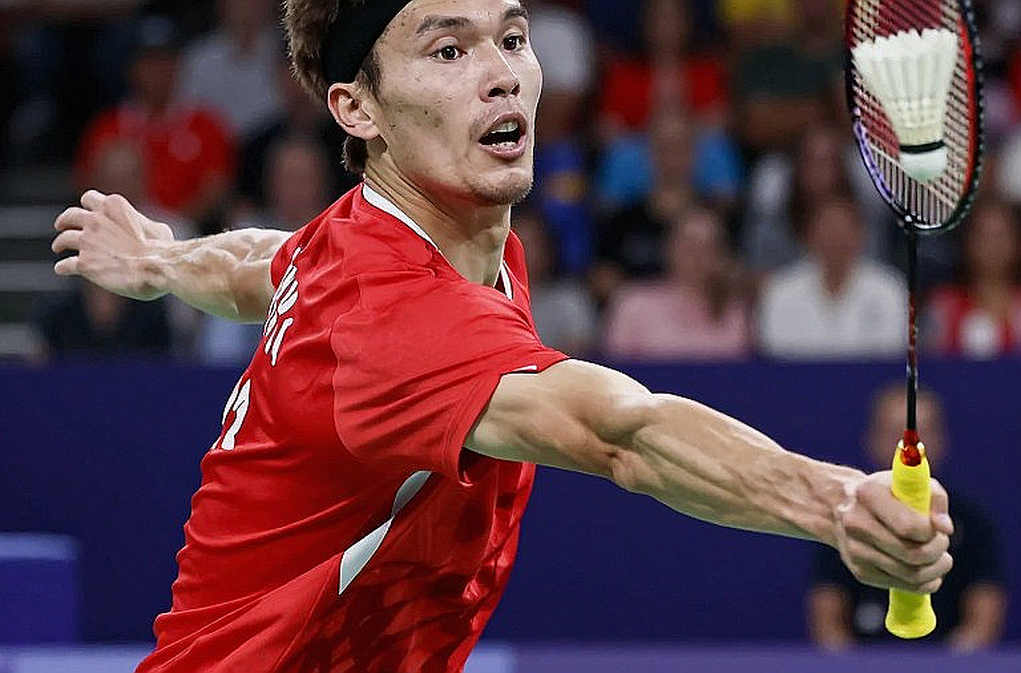
Second, Lee Zii Jia's form. Continued early exits will deepen the concern around Malaysian men's singles.
Third, how the federation handles independent players. A Thomas Cup berth for Aidil would be a louder message than any press release.
Based on my experience covering matches across many seasons, I have learned that titles at low tiers rarely lie about ability, but they always lie about scale. Aidil earned his night in Ho Chi Minh City. Malaysia needs more than one such night.
"When the arena is empty, I realise I am not writing about the shuttle, but about the people who love it." That night the arena was not entirely empty. But the applause for one champion cannot fill the space behind him — where a queue of Malaysians should have been waiting for their turn.
